Morse Code Chart
Printable reference for A–Z and 0–9 with real PDF and PNG downloads — not just a browser print dialog.
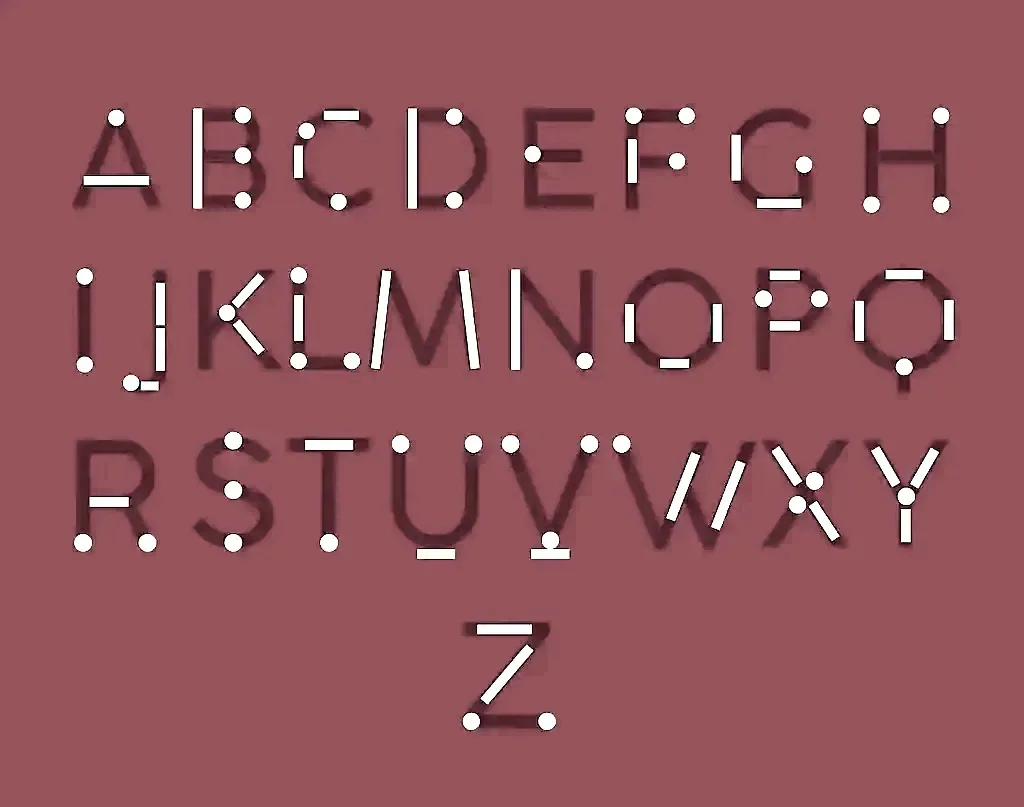
What this Morse code chart includes
The PDF and PNG files list every ITU International Morse letter and digit with standard spacing rules. Punctuation and prosigns are on the alphabet page and punctuation reference. For mnemonics and prosign tables in one long article, see the cheat sheet guide (different intent — study notes, not a wall chart).
Looking for “morse code alphabet” with sound? That intent belongs on Morse code alphabet A–Z with audio — this URL is the printable chart hub only.
Print the PDF when you want a sheet you can mark with a pencil. The PNG is the same reference for a slide or a phone wallpaper. Both files draw dots as circles and dashes as bars so a text extractor does not turn a dash into a hyphen that disappears. Letters use a plain sans-serif. The footer repeats the timing line: dot 1, dash 3, letter gap 3, word gap 7. Punctuation on the sheet matches the punctuation page. If a symbol you need is missing, it is not in the International set this site teaches.
A practical drill is to print one copy, fold the Morse column under, and write the pattern from memory for A through G. Check the fold, then do H through N, then the rest, then the digits. Digits are five elements. One through five add dots from the left. Six through nine and zero are easier if you learn them as a second group after the letters feel steady. When a written pattern disagrees with the sheet, trust the sheet and play the letter on the alphabet page before you change a bead layout or a tattoo stencil.
Classrooms can post the PNG and keep the PDF in a folder with the practice sheet from the classroom kit. The chart is a lookup. Ear practice still happens in the trainer. If you only memorize the picture, the sound will feel new the first time you hear it. Use the chart to check, then close it and listen.
Timing at a glance
Charts show symbols; timing shows rhythm. A dot is one unit, a dash three, letter gaps three, word gaps seven. The ARRL and Wikipedia both summarize the same ratios.
How to use the chart in practice
- Print the PDF for a desk reference or classroom wall.
- Cover the Morse column and read letters aloud from memory.
- Switch to the translator — type a word, hide the chart, and copy by ear at 15–20 WPM.
- Move to Koch lessons once E, T, A, and N are automatic.
Emergency patterns such as SOS (... --- ...) are detailed on
SOS Morse code. For Spanish copy, visit código Morse.