Morse Code Classroom Kit
This kit bundles printable references and lesson sketches for STEM, history, and scout programs. Everything runs in the browser — no student accounts.
Downloads
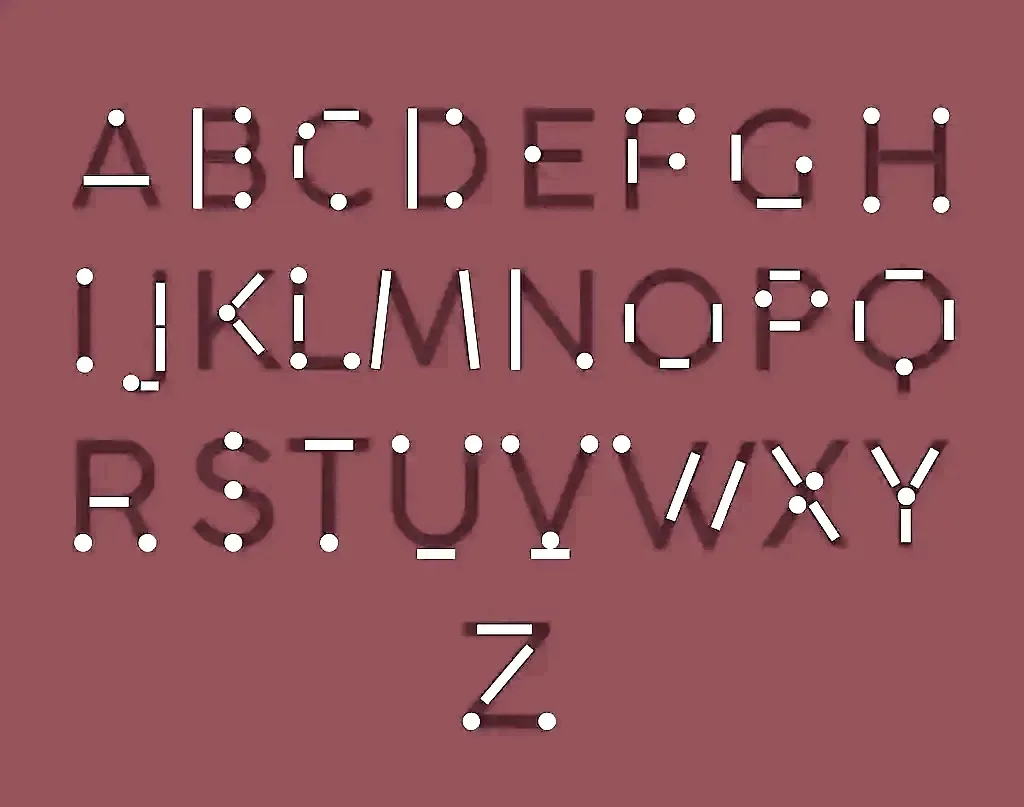
Post the PDF near a practice table. Pair with the interactive alphabet for click-to-play audio on a projector.
45-minute lesson outline
- Warm-up (5 min): Clap dot/dash rhythms. Play SOS from the translator and discuss real emergencies versus play.
- Explore (10 min): Students decode three words from the kids page secret message cards.
- Practice (15 min): Pairs send letters using flashlight or pencil taps; checker uses the alphabet chart.
- Tech (10 min): Quiz on Easy mode with headphones.
- Wrap (5 min): Link to history and ITU standard below.
Station rotation (scout camp)
Run four stations: (1) chart copy, (2) translator playback, (3) treasure hunt clues, (4) Koch ear training with lesson 1 on one shared laptop. Rotate every twelve minutes. Leaders should review flashlight safety — never aim at faces or traffic.
Assessment ideas
Ask students to write five letters from audio only. Older groups can translate a phone number using the numbers guide. Document progress with photos of decoded clue sheets rather than competitive speed for younger ages.
Accessibility & inclusion
Morse remains an input method on some assistive keyboards. Frame the lesson as “many ways to communicate” and avoid mocking alternate input. Offer visual and tactile paths (chart + taps) for students who struggle with audio-only copy.
Homework extensions
Assign students to decode a headline from the trainer’s Headlines module and write one paragraph on how Morse timing relates to digital on/off signals. Older students can compare International Morse with American landline variants using the comparison guide and cite Wikipedia’s telegraph history section. Parents supervising flashlight games should review local rules about shining lights toward roads or aircraft.