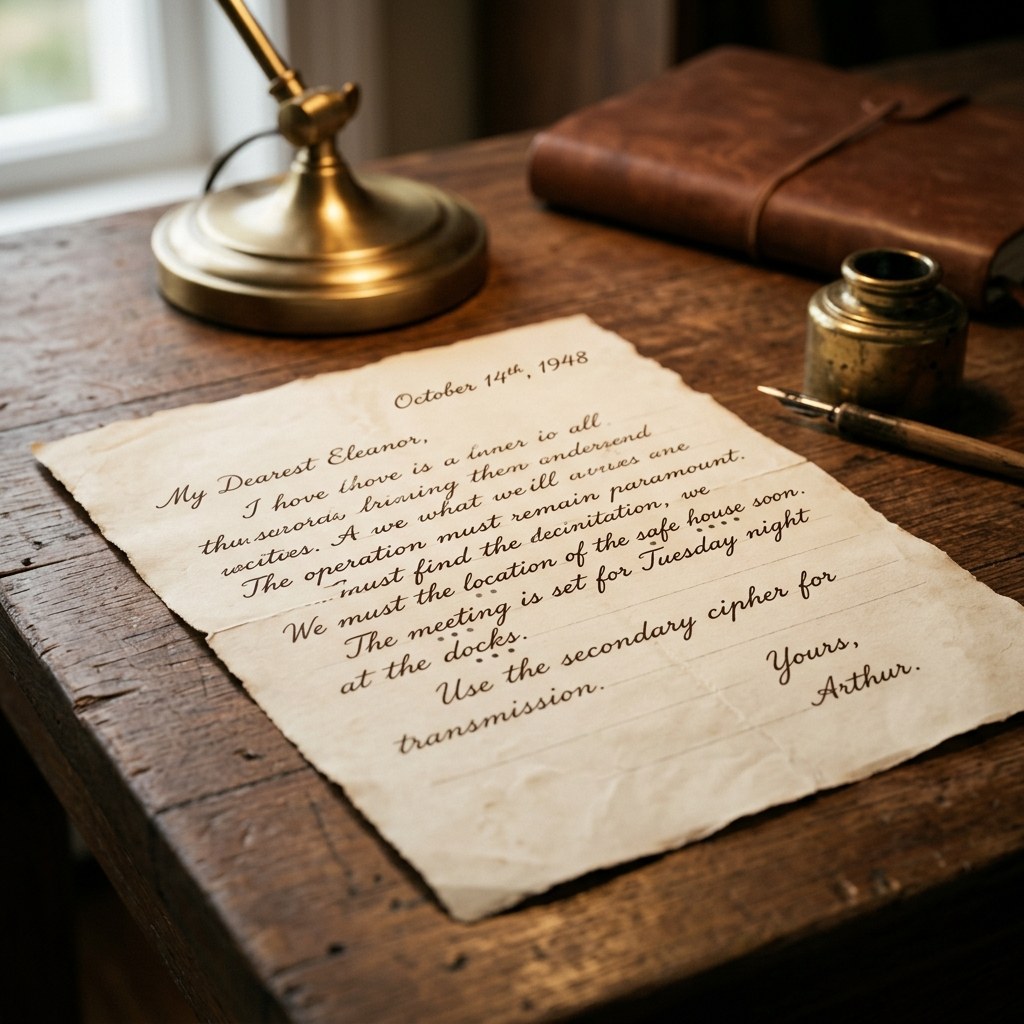
Morse code has a rich legacy of espionage, secret communications, and visual cryptography. Learning how to send a secret morse code message is a thrilling exercise that can be used for fun puzzles, safe offline notes, or creative artistic designs. Let's look at how to hide dots and dashes in plain sight.
Visual Cryptography: Hiding Codes in Art
One of the most creative ways to use secret morse code is in drawing and design. You can draw a landscape where the dashes are long grass blades and the dots are flower buds. Or, create a dotted line pattern on a card envelope where the dashes and dots represent a hidden message of affection. To the untrained eye, it is just a nice design; to a Morse coder, it is a readable letter!
Micro-Tapping and Silent Tapping
Need to communicate something silently in a quiet meeting or classroom? Silent tapping is a classic espionage skill. You can tap out a secret morse code message on a pen, tap your fingers slightly on a desk, or blink your eyes in a specific rhythm. Because Morse is purely rhythmic, it does not require vocals at all.
The Gboard Accessibility Revolution
Beyond spycraft, silent Morse code is a life-changing accessibility feature. In 2018, Google introduced Morse code input to its Gboard keyboard. This allows individuals with severe physical or speech limitations to write messages, send emails, and speak to their loved ones silently by tapping just two basic switches representing dots and dashes. You can practice this typing style on our custom Morse Code Keyboard Simulator. Want to try it? Here is how to turn on the Gboard Morse keyboard on iPhone and Android.
Create Your Own Secret Messages
Ready to write your first spy-themed riddle? Go to our Morse Code Translator and convert a secret message into dots and dashes. Share the output with a friend, and challenge them to decode it! It's a highly engaging, historical puzzle game that is perfect for offline fun. Turn secret messages into Morse code escape room puzzles.
Musicians have hidden Morse in songs too, from a 2010 rescue ballad to a Rush intro; see our guide to songs with hidden Morse code.